What Is PU Injection Waterproofing (and When Does It Work)?
A clear explanation of polyurethane injection waterproofing — what it does, when it is the right solution, and when it isn't.
You have probably seen temporary patch jobs fail spectacularly after a heavy Klang Valley downpour. It is frustrating to spend money on surface sealants, only to watch water seep right back through the same concrete cracks.
What Is PU Injection Waterproofing (and When Does It Work)? We see this confusion constantly in the field. Clients often request this method for the wrong reasons, or they overlook it when it is the exact fix required.
Our team will break down the science behind the expanding resin. Let’s identify the specific scenarios where it excels, and outline the actual costs involved.
What Is PU Injection Waterproofing (and When Does It Work)?
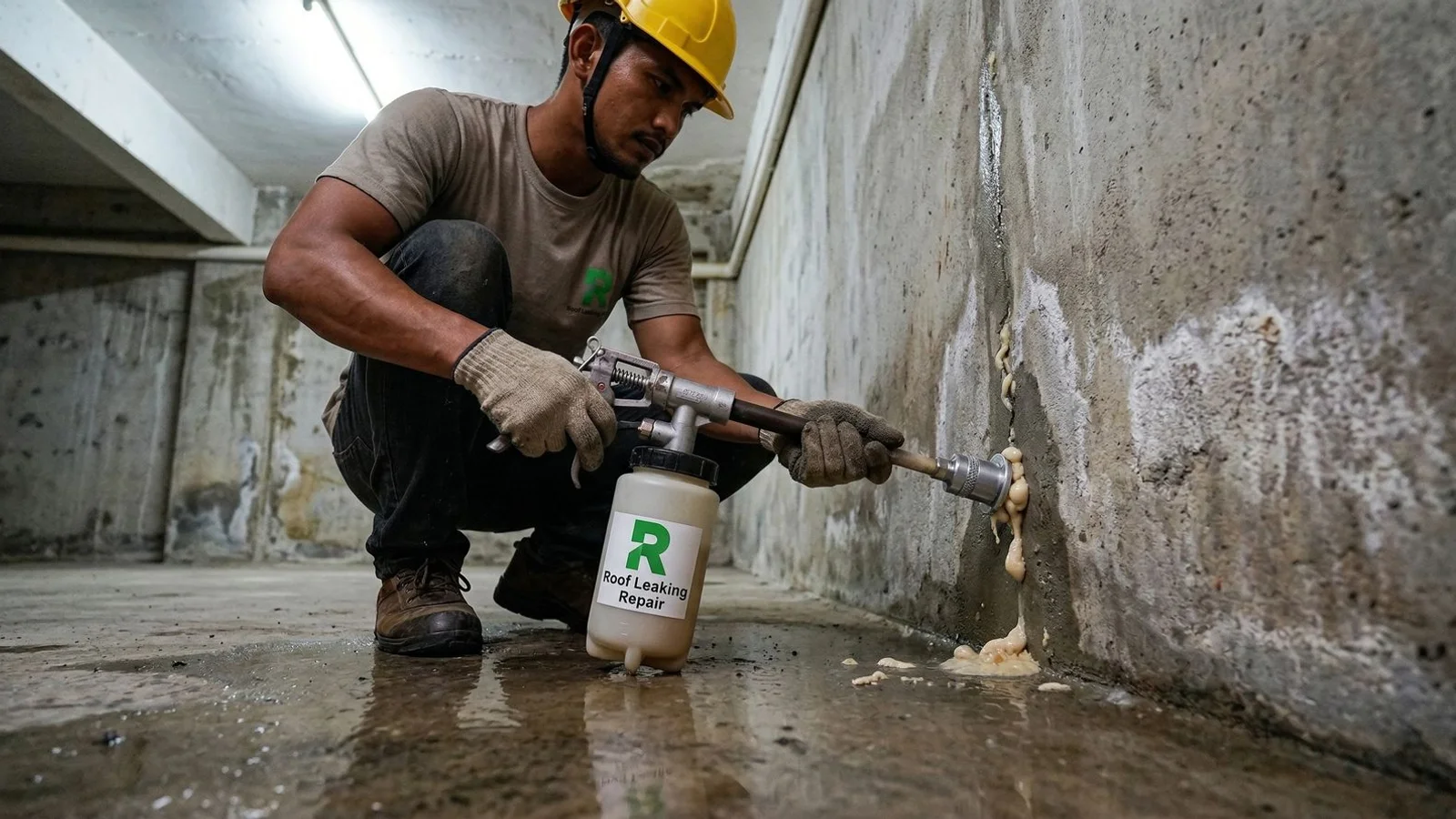
PU stands for polyurethane. We use this technique by injecting a specialised PU resin under high pressure directly into a concrete fracture. The resin then reacts with the water or moisture trapped inside.
This chemical reaction causes the material to expand dramatically. Technical specifications from Sika show their specific foaming resins can expand up to 35 times their original volume. Product data from Pentens confirms these resins cure into a flexible, permanent seal.
PU injection waterproofing relies on moisture to trigger a rapid chemical reaction, creating a watertight, expanding foam plug deep inside the concrete.
The critical phrase here is “reacts with water.” Surface coatings typically fail if applied to a wet substrate. PU injection actually requires moisture to initiate the foaming process.
Our teams rely on this unique property to seal actively leaking cracks in real time. This method works flawlessly even while water is actively gushing through the wall.
When PU Injection Is the Right Answer
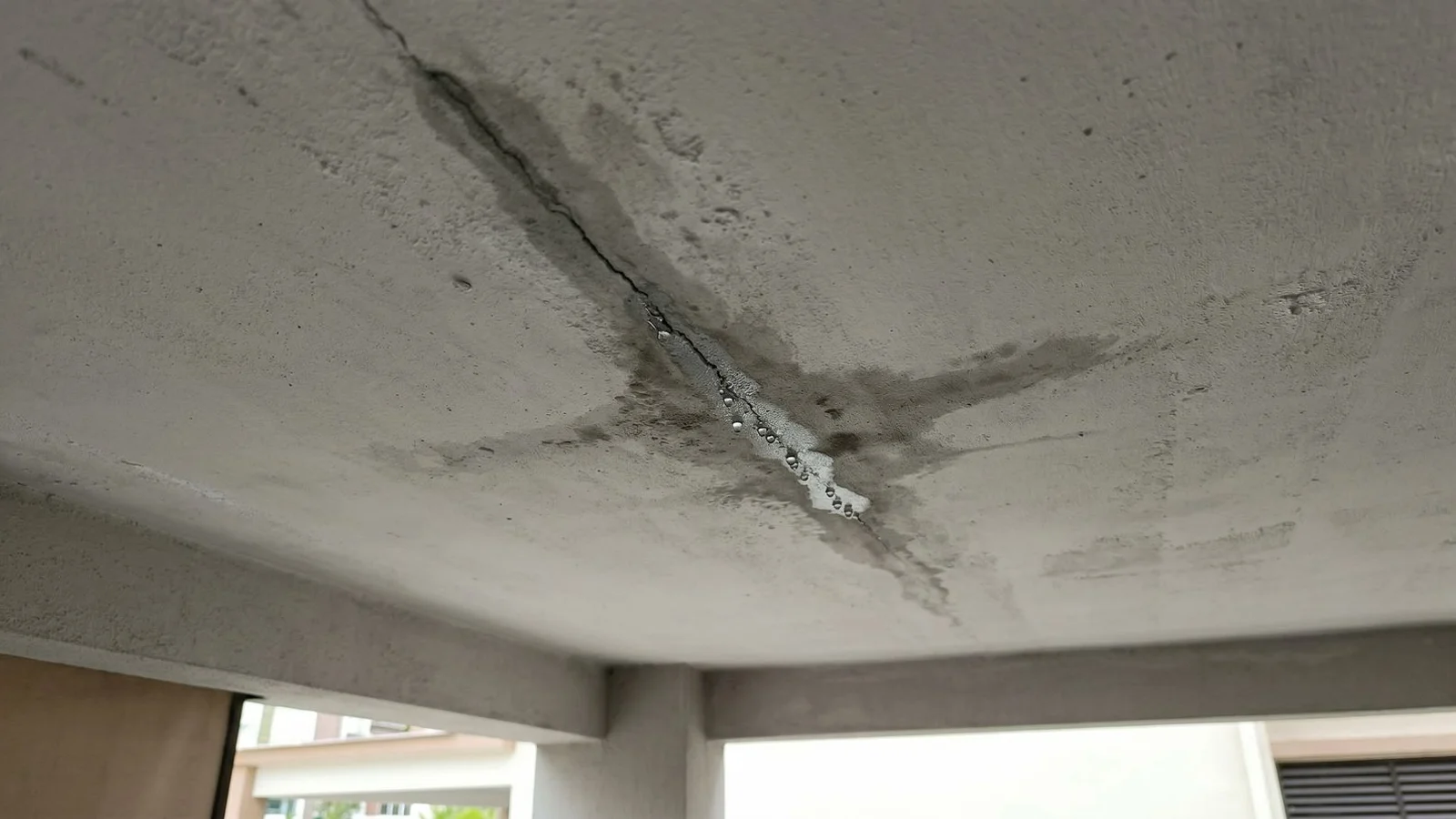
This method serves as a highly targeted tool for specific structural failures. We recommend it specifically for scenarios involving live moisture. Water actively flowing through a concrete crack is the primary trigger for this treatment. No other common waterproofing method works effectively on a live, wet crack.
Structural Concrete Repair
The crack must be in structural concrete to hold the expanding resin. We frequently treat retaining walls, basement walls, car porch decks, and condo balconies. Historical climate data from World Weather Online shows the Klang Valley receives an average annual rainfall of 2,400mm. This massive volume of water creates intense hydrostatic pressure against underground structures.
Defeating Hydrostatic Pressure
Surface waterproofing often fails because of hydrostatic pressure. Water pushed from behind or below will simply peel off an exterior coating. Resin filling the crack from the inside acts as a structural plug.
Our technicians use this internal seal to hold back the water permanently. The barrier expands deep inside the wall to block moisture at the source.
Avoiding Invasive Demolition
Breaking out and repouring concrete is rarely practical. PU injection provides a far less invasive alternative to demolishing a slab.
Common real-world scenarios in Malaysia include:
- Car porch slabs leaking into the space below. This issue is extremely common in older terrace houses.
- Basement walls with groundwater seepage. Hilly developments face this constantly due to soil moisture.
- Condo deck and balcony cracks. Water often drips onto the units below.
- Structural walls with active moisture ingress. Heavy monsoon rains easily penetrate exposed exterior surfaces.
When PU Injection Is NOT the Right Answer
You cannot treat every water issue with a high-pressure pump. We frequently advise clients against this method when the root issue lies elsewhere. Porosity across a broad surface area requires a different approach.
Surface Permeability Issues
Weeping moisture across an uncracked wall needs a proper coating, not injection. You will get much better results using an elastomeric liquid waterproofing emulsion for these large areas.
Alternative solutions for non-crack leaks include:
- Elastomeric roof coatings for exposed slabs.
- Cementitious waterproofing for bathroom sub-floors.
- Bituminous membranes for underground carparks.
Dynamic Cold Joints
A cold joint that moves and reopens repeatedly requires flexible detailing. The rigid foam might reseal the gap once, but it will fail during the next structural shift.
We usually switch to a highly flexible polyurea or E-Gel system for these dynamic joints. Waterproofing manufacturer data highlights that E-Gel systems accommodate constant movement without tearing.
Membrane Failures
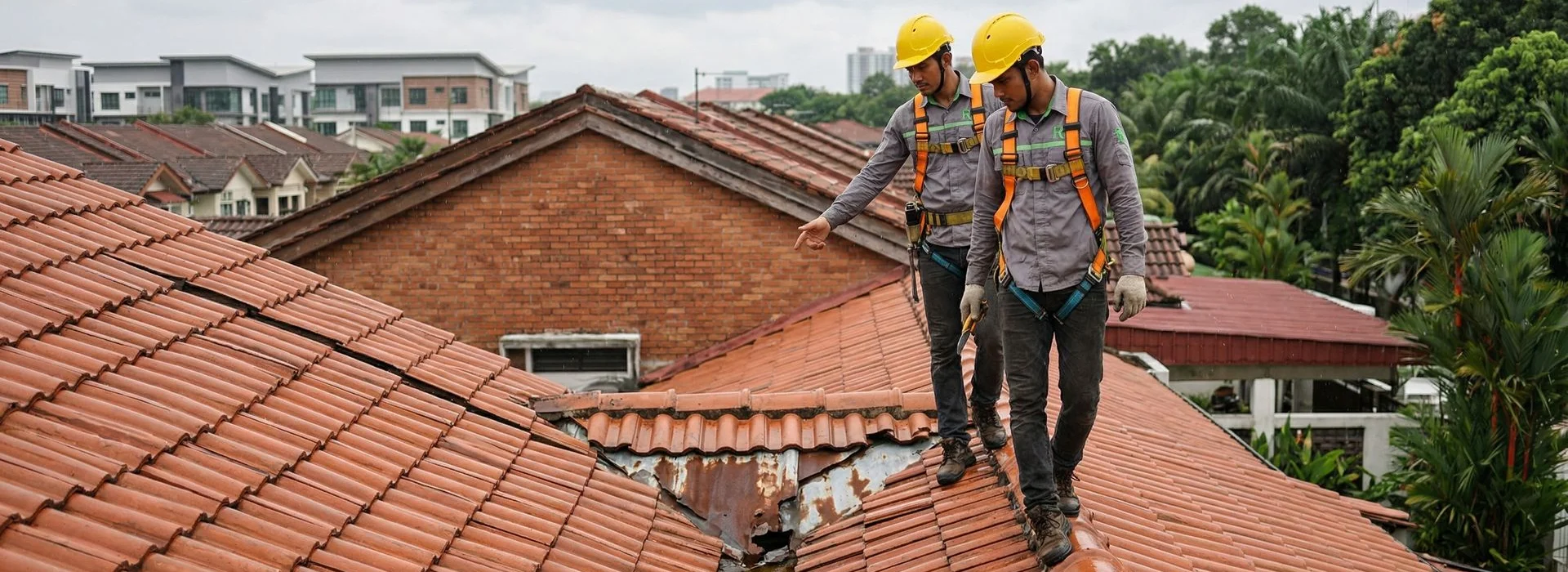
The leak might stem from a membrane failure rather than a true concrete crack. Water sometimes tracks underneath an existing waterproofing layer. The visible crack is merely the exit point, making targeted injection ineffective.
Inaccessible Leak Sources
You must be able to access the concrete face to install the mechanical packers. We cannot perform the injection if the leaking area sits inside a sealed wall cavity. The technician needs direct access to drill the angled entry points.
How the Job Actually Runs
A professional application requires specialized equipment and precise timing. We follow a strict protocol to ensure the resin penetrates the full depth of the fracture. The process demands careful preparation before any pumping begins.
1. Mapping and Drilling
Our first step involves tracing the crack and marking the insertion points. The team staggers these marks at intervals of 20 to 40 cm. Technicians then drill small holes into the crack at a 45-degree angle. This precise angle ensures the mechanical packer intersects the fissure deep inside the concrete.
2. Installing Mechanical Packers
We insert aluminium mechanical packers into the drilled holes. These packers act as one-way valves. They typically measure 10mm or 13mm in diameter based on standard supplier specifications. The rubber base expands when tightened, gripping the concrete securely to withstand extreme pressure.
3. High-Pressure Injection
A specialized electric pump pushes the PU resin into the packers. We inject the material using specialized equipment. Product manuals from Pentens detail that these electric pumps can generate up to 10,000 PSI of pressure.
The technician follows a strict progression during this phase:
- Connect the pump nozzle to the lowest packer on the wall.
- Monitor the pressure gauge to ensure steady resin flow.
- Watch for resin bleeding from the next packer above.
- Disconnect and move up to the next valve.
This visual confirmation guarantees the fissure is completely filled.
4. Curing and Cosmetic Repair
PU resin cures rapidly, often within hours. We use chemical accelerators to speed up this process. Engineering guidelines note that these catalysts can reduce gel times to mere seconds for severe gushing leaks.
The crew returns to verify the seal is watertight before removing the aluminium valves. Finally, contractors fill the small drill holes with a high-strength patching mortar and refinish the surface.
Cost Reality
Pricing structures in Malaysia depend heavily on the severity of the damage and accessibility. We price this service per injection point. A single point typically costs between RM80 and RM250.
The resin type and the complexity of the access route influence this rate. A typical car porch crack usually requires 8 to 15 points. You should expect a standard residential job to range from RM800 to RM3,000. Larger structural cracks in commercial basements will naturally run higher.
You should also factor in standard contractor call-out fees. Most professional waterproofing companies in the Klang Valley charge a minimum trip fee. Industry data shows these minimum charges typically range from RM450 to RM1,500.
| Waterproofing Method | Average Cost in Malaysia | Best Application Scenario |
|---|---|---|
| PU Injection | RM80 - RM250 per point | Active, wet concrete cracks |
| Elastomeric Coating | RM6.00 per sq ft based on HIN Group pricing | Broad roof or floor areas |
| Cementitious Coating | RM5.00 per sq ft based on industry rates | Wet areas before tiling |
Cheap surface coatings that cannot hold back live water will drain your budget over time. The long-term durability of the expanding foam offsets the initial setup cost.
Don’t Self-Diagnose
The hardest part of any water seepage issue is diagnosing the root cause correctly. We see too many property owners attempt repairs based on a quick online video. Guesswork often leads to structural damage.
Book an onsite inspection with a professional team. Our specialists will tell you honestly whether your problem needs high-pressure resin, a broad surface coating, or a combination of both. The team will put the diagnosis and the proposed solution in writing before you commit to any work.
What Is PU Injection Waterproofing (and When Does It Work)? It is the exact right answer when applied by professionals who understand the science behind the seal.
For reliable roof leaking repair in Malaysia you can trust across the Klang Valley, reach out to the RLR Roofer team today.