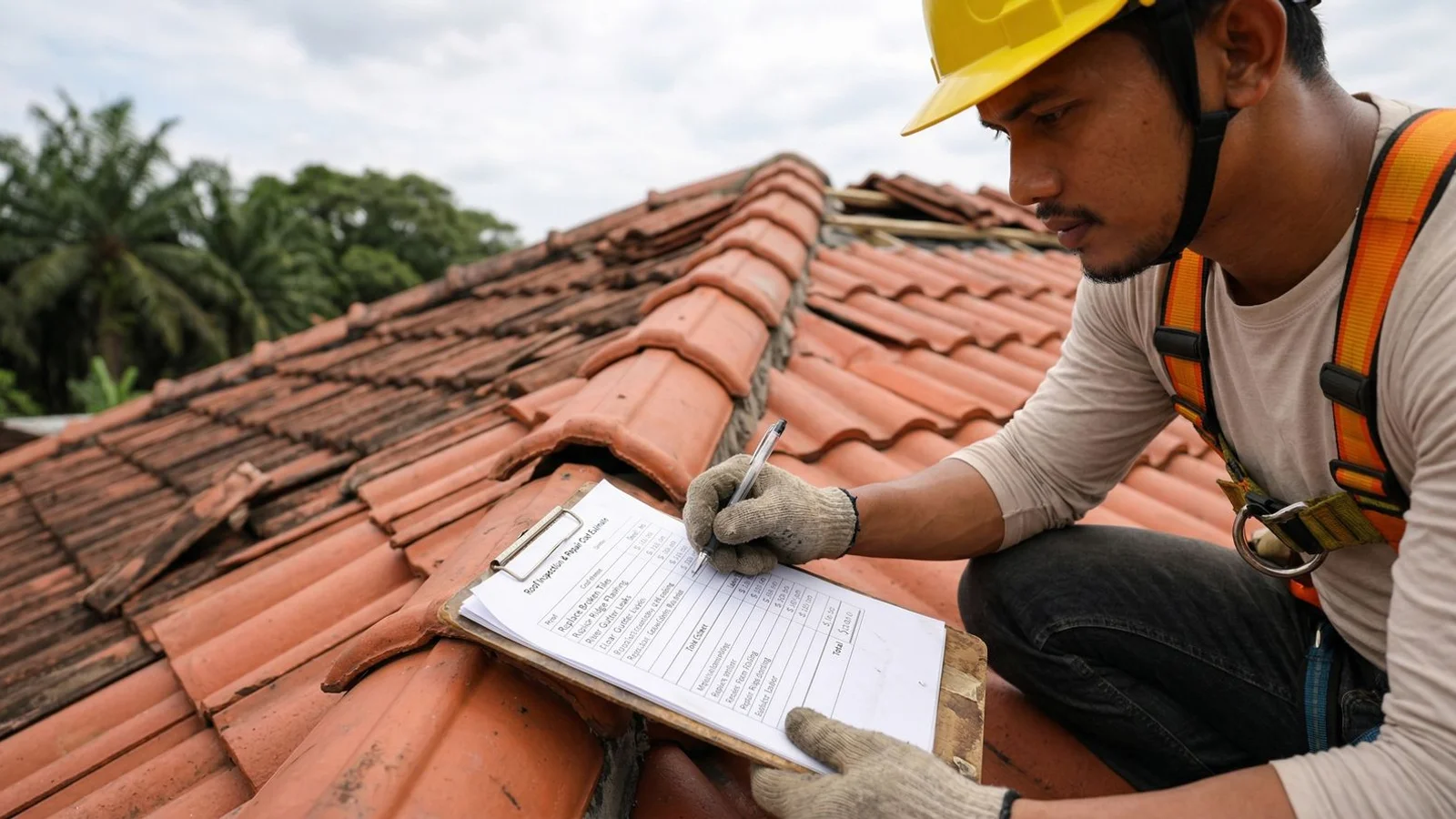
Brown Stains on Your Ceiling? 6 Signs It's a Roof Leak (Not Plumbing)
Learn how to tell a roof leak from a plumbing leak by reading the stains and patterns on your Malaysian home's ceiling.
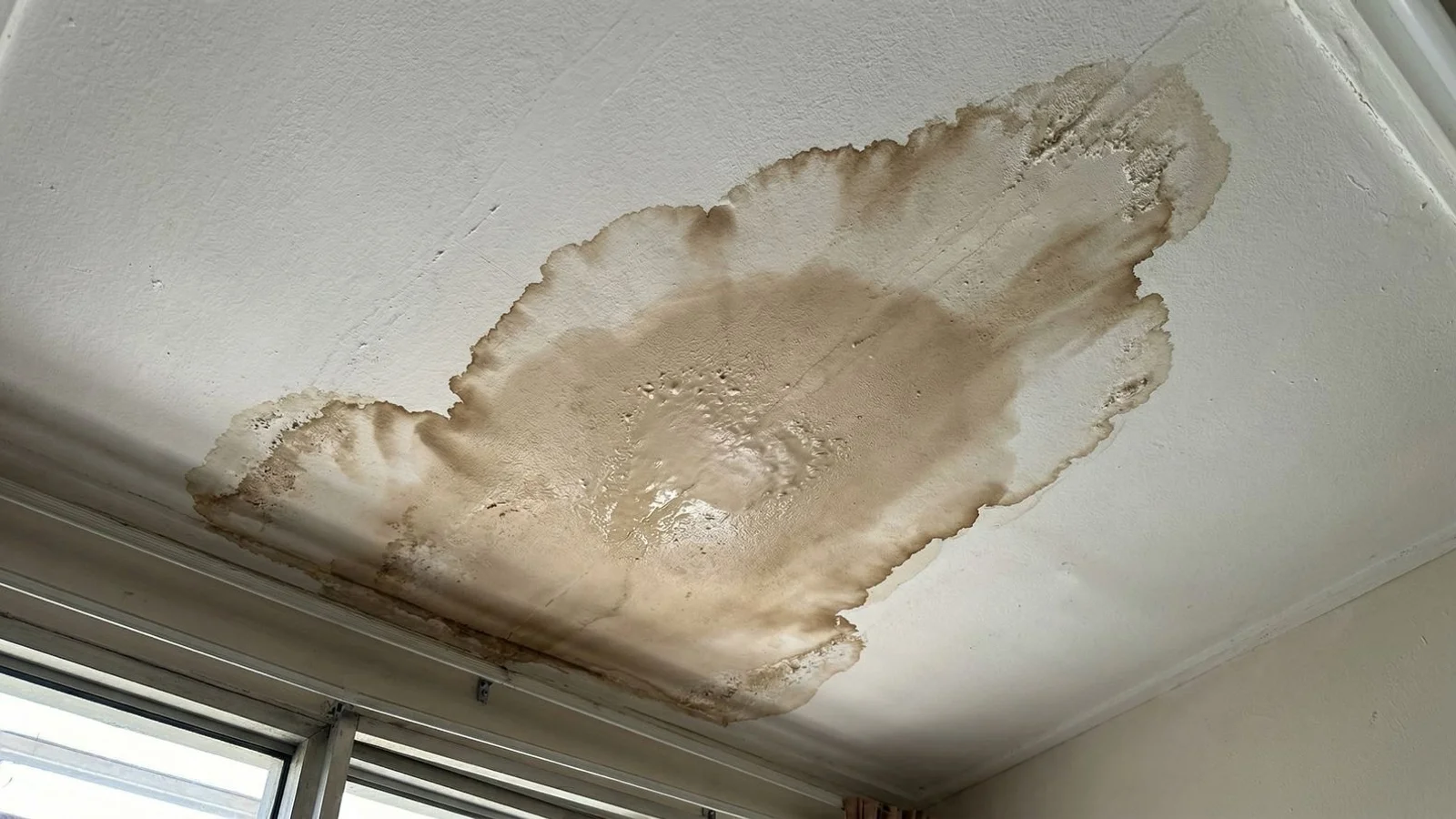
As a professional service team, we regularly inspect these ceiling defects across Kuala Lumpur.
You know the sinking feeling of spotting a discoloured patch on your plasterboard. Are you noticing Brown Stains on Your Ceiling? 6 Signs It could be a hidden disaster waiting to happen. Our inspectors treat these marks as a written record of water travelling through your home.
The Golden Rule: A roof leak requires a roofer, while a plumbing leak demands a licensed plumber.
The question every Malaysian homeowner needs to answer is whether the roof or the plumbing caused the damage. We know from our RM30 inspection data that paying the wrong contractor is an incredibly expensive mistake. Let’s look at the evidence and explore practical ways to identify the exact culprit.
1. The Stain Grows (or Returns) After Rain
Local weather patterns provide the single most useful clue for homeowners. Roof leaks correlate directly with rainfall, whereas plumbing issues remain constant. If your stain darkens or actively drips during a heavy storm, you almost certainly have a roof defect.
We see a massive spike in these specific complaints during the Malaysian inter-monsoon periods. Recent weather reports from 2025 highlight how sudden thunderstorms over the Klang Valley easily overwhelm ageing gutters. The damage typically goes quiet during dry spells.
Our technicians always ask clients to track the timing of the drips using three specific criteria:
- Speed of appearance: Does the patch spread within hours of a downpour?
- Dry weather behaviour: Does the ceiling feel completely dry to the touch after three sunny days?
- Seasonal intensity: Did the issue suddenly appear during the October or November monsoon shifts?
2. The Stain Appears on the Top Floor
Water always obeys the laws of gravity. A roof leak starts on the highest ceiling in the house, such as a master bedroom or a loft. Our inspectors frequently find these marks directly under the main roof deck.
Concrete interlocking tiles, like the popular Monier brands used across Malaysia, can weigh up to 53 kilogrammes per square metre. When heavy storms shift these weighty tiles, water easily penetrates the top-floor plasterboard. We use building layouts to quickly narrow down the suspects.
If your stain sits on a ground-floor ceiling in a double-storey link house, the roof is rarely the problem. A bathroom or wet kitchen located directly above the mark makes plumbing the primary suspect. Our field teams use a simple location matrix to guide the initial assessment:
| Stain Location | Building Type | Most Likely Source |
|---|---|---|
| Top floor ceiling | Bungalow or Terrace | Shifted concrete roof tiles or metal deck |
| Ground floor ceiling | Double-storey house | Internal plumbing or bathroom floor trap |
| Mid-level unit ceiling | High-rise condo | Inter-floor leakage from the unit above |
3. The Stain Sits Near a Wall, Not in the Middle of the Room
Roof leaks frequently track along timber battens and steel trusses before dropping. They usually show up near the top of a wall or along the line of the outer structure. Our thermal imaging tools reveal that water travels the path of least resistance.
Plumbing leaks behave very differently in typical Malaysian homes. Water escaping from bathroom floor drains tends to pool centrally. The moisture follows the direct vertical drop of the PVC piping below the slab.
We advise homeowners to look closely at the shape and position of the damage. Here are the common structural paths water takes:
- Wall-ceiling junctions: Rainwater running down the inside of an exterior wall points to a compromised roof valley.
- Central pooling: A circular mark directly in the middle of a downstairs ceiling strongly suggests a leaking P-trap.
- Straight lines: Brown marks forming a straight line often indicate water running along a steel purlin.
4. There’s No Plumbing Above It
Before calling a contractor, you should do a simple map test of your property. Is there a washing machine or water pipe on the floor directly above the damage? If there is nothing above except the roof itself, you are dealing with a roof leak.
Our field teams use a specific technique to verify hidden pressurised leaks. You can perform this check yourself using your main Air Selangor water meter. Simply turn off every tap and appliance in the house.
We recommend checking the meter dial after thirty minutes. If the small red indicator is still spinning, you have an active plumbing leak somewhere in the walls or floor slab. This fast testing step saves significant time and frustration.
Pro-Tip: If the Air Selangor meter remains perfectly still but the ceiling patch continues to grow, the moisture is almost certainly trapped rainwater slowly seeping through the roof insulation.
5. The Water Is Clean (or Clean-ish)
Rainwater running through the roof structure picks up dust, rust, and tannins from timber. A classic roof-leak stain appears dark brown, irregular, and highly concentrated. Our technicians often spot reddish streaks if the house uses older metal purlins.
Plumbing leaks from pressurised freshwater lines usually look much cleaner and more localised. Water from a burst poly pipe will create a lighter, pale yellow ring on the plasterboard. Sewer leaks have their own unmistakable and unpleasant signature.
We find that sewage leaks often carry a distinct odour that immediately identifies the source. The testing process relies heavily on the visual characteristics of the water mark:
| Stain Appearance | Accompanying Signs | Probable Cause |
|---|---|---|
| Dark brown, irregular edges | Timber debris or red rust flakes | Rainwater entering through roof |
| Faint yellow, circular | Constant dripping, no smell | Pressurised fresh water pipe leak |
| Grey or black, spreading | Foul odour, mould growth | Sewer line or floor trap failure |
6. You Can See the Roof Symptoms Outside
A ground-truth check provides excellent supporting evidence for your diagnosis. Look at the outside of your property from a safe vantage point across the street. Our building surveyors always check for visible slipped tiles or lifted ridge caps.
Rusted roof valleys and corroded Zincalume metal panels strongly suggest water has a clear entry route. You should never climb the roof yourself without proper safety gear. Just use a pair of binoculars to scan the surface for obvious defects.
We frequently identify missing flashing around skylights or chimneys right from the pavement.
Common Exterior Red Flags
Specific exterior issues stand out as primary culprits when inspecting Malaysian homes. Heavy tropical sun and torrential rain degrade roofing materials rapidly. Our experts look for these specific external warning signs:
- Cracked mortar: The cement holding the ridge tiles together degrades under the hot sun.
- Misaligned tiles: High winds can easily push concrete tiles out of their locking grooves.
- Blocked gutters: Leaves and debris force rainwater to back up under the roof eaves.
Brown Stains on Your Ceiling? 6 Signs It Could Be a Mixed Case
Property owners often face mixed leaks in Malaysian terraces and high-rise condos. A roof leak and a plumbing leak can easily coexist. Our inspectors sometimes see water from one source triggering damage that perfectly mimics the other.
This exact confusion is why understanding the Strata Management Act 2013 becomes so frustrating for residents.
Legal Context: Under Section 142 of the Act, inter-floor leakage is legally assumed to come from the upper floor unit unless proven otherwise. The Joint Management Body must issue a Form 28 Certificate of Inspection within seven days of a formal complaint.
We provide an RM30 onsite inspection that covers the roof surface, flashing, gutters, and suspected plumbing routes. This comprehensive check helps both landed property owners and strata residents pinpoint the exact liability.
Still Unsure?
You are ready to book a roofer if the signs above point firmly to the roof. A licensed plumber is your first call if the clues point firmly to plumbing. Our team can step in to help if the signs contradict each other.
Book the RM30 inspection and a trained technician will rule one in and one out for you. The worst-case outcome of a proper diagnosis is that you save yourself from paying the wrong contractor. The best case is that you finally know exactly what you are dealing with.
We encourage you to reach out today to protect your property from further damage. Have you still got Brown Stains on Your Ceiling? 6 Signs It is time to schedule your assessment and stop the spread.
For our transparent roof leak repair services you can trust across the Klang Valley, reach out to the RLR Roofer team today.